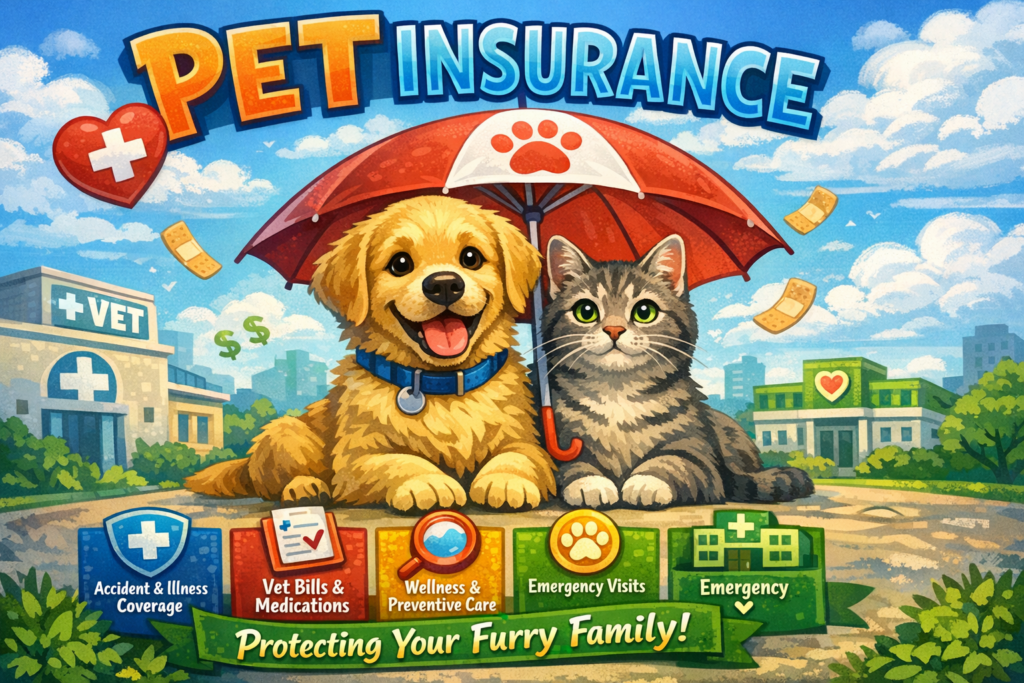
Pet insurance is becoming more popular as pet owners realize the financial risks of unexpected vet bills. With so many options available, choosing the right type of pet insurance can get confusing. Each plan comes with its own features, benefits, and limitations. It is important to understand what each type covers and how it can help keep your furry friend healthy. In this article, you will learn about the main types of pet insurance and how to pick the best one for your pet. Making an informed choice can provide peace of mind and protect your pet when it matters most. Different Types Of Pet Insurance exist.
Understanding the Different Types Of Pet Insurance Coverage
Pet insurance works much like health insurance for people. Pet owners pay a monthly or yearly premium for coverage. When their pet needs veterinary care, the insurance company reimburses some or all of the costs. The amount reimbursed depends on the coverage chosen and the terms of the policy. Some plans cover only accidents, while others include illnesses and routine care. Knowing the basics will help you compare policies effectively and make better decisions for your pet’s needs.
Most pet insurance policies have a deductible, which is the amount you pay before the insurance starts to cover expenses. Policies also often have limits on how much they will pay per incident, per year, or during your pet’s lifetime. Reading the fine print helps you avoid unpleasant surprises when you need to file a claim. Always check which conditions are covered, and watch out for exclusions such as pre-existing conditions. Understanding how pet insurance works ensures you get the best value for your money.
Another important aspect of pet insurance is waiting periods. After you buy a policy, there may be a short waiting time before coverage begins. This prevents people from buying insurance only after their pet gets sick or injured. Different companies set different waiting periods for accidents, illnesses, and specific treatments. Plan and do not wait until an emergency happens before getting coverage. By knowing these key basics, you can avoid common pitfalls and provide reliable protection for your pet.
Accident Only Plans and Their Key Benefits
Accident-only plans are the simplest form of pet insurance. They cover injuries from mishaps like broken bones, cuts, and swallowed objects. If your pet gets hurt suddenly, these plans help cover the cost of emergency vet visits, X-rays, and surgery. Accident-only insurance is usually the most affordable option. Many owners choose it when they want basic protection without a high monthly payment.
These plans are ideal for younger pets or breeds known for being active and curious. Young dogs and cats are likely to get into accidents as they explore the world around them. With accident-only coverage, you have peace of mind knowing you can afford emergency care. However, these plans do not cover illnesses like infections, allergies, or chronic conditions. They are limited to sudden, unexpected injuries.
One of the main benefits of accident-only insurance is its simplicity. There are fewer rules and restrictions compared to more complex policies. Claims are straightforward, and coverage is easy to understand. Owners know exactly what types of incidents are covered. For those on a budget or with healthy pets, accident-only insurance provides a safety net without breaking the bank.
Comprehensive Policies for Illness and Wellness Care
Comprehensive pet insurance goes beyond accidents and includes coverage for illnesses. These policies pay for treatment for conditions like infections, cancer, diabetes, and allergies. If your pet develops a health problem, comprehensive plans help with the cost of diagnostics, medications, and specialist care. Many policies also cover surgeries, hospitalization, and ongoing therapies for chronic illnesses. This broader coverage gives owners greater peace of mind.
Wellness care can also be included in some comprehensive plans. Wellness add-ons pay for routine vet visits, vaccinations, dental cleanings, and preventive treatments like flea and tick control. Preventive care helps catch health problems early and keeps pets healthy. Although wellness coverage usually costs extra, it can save you money over time by reducing the risk of major health issues. Combining illness and wellness coverage offers more complete protection for your pet.
Comprehensive insurance is a good choice for older pets, breeds prone to certain diseases, or owners who want full protection. The monthly premium is higher than that of accident-only policies, but it covers a much wider range of health problems. Many plans let you customize your coverage to fit your needs and budget. Always review each policy carefully and compare what is included before making a decision. Owners who want the best care for their pets often find comprehensive coverage worth the investment.
Choosing the Best Insurance for Your Pet’s Needs
Choosing the best pet insurance starts with understanding your pet’s age, breed, and lifestyle. Younger pets may only need accident coverage, while older pets benefit from comprehensive plans. Some breeds are more likely to develop certain health problems, so look for policies that cover those conditions. Consider your budget and how much you can afford to pay out of pocket in an emergency. Each family’s financial situation is different, so the right choice will depend on your needs.
Researching and comparing different insurers is very important. Look at reviews and customer ratings to find a reliable company with good service. Check what is covered, the exclusions, and the claims process. Some insurers offer fast reimbursements, while others take longer to pay. Be sure to read the policy details and ask questions if anything is unclear. The more informed you are, the better choice you can make for your pet’s health and your peace of mind.
Pet insurance should make life easier, not more complicated. Choose a plan that you feel comfortable with and that fits your pet’s needs. Make sure you understand the costs, including premiums, deductibles, and co-pays. If your pet already has health issues, look for insurers that offer the most flexibility with pre-existing conditions. With careful planning and research, you can find the best insurance to keep your beloved companion safe and healthy.
Conclusion On Different Types Of Pet Insurance
Selecting the right pet insurance can feel overwhelming, but taking it step by step will help you find the ideal policy. Start by learning the differences between accident-only and comprehensive plans. Think about your pet’s unique needs and what coverage makes the most sense. Do not forget to consider your financial situation and the level of risk you are comfortable with. Remember to check policy details closely, especially when it comes to exclusions and waiting periods. Ask your vet for recommendations or insights about what type of coverage suits your pet. Use online reviews and comparison tools to narrow down your choices and avoid common pitfalls.