Uncover More Information

Exploring

Pet Health

and Insurance

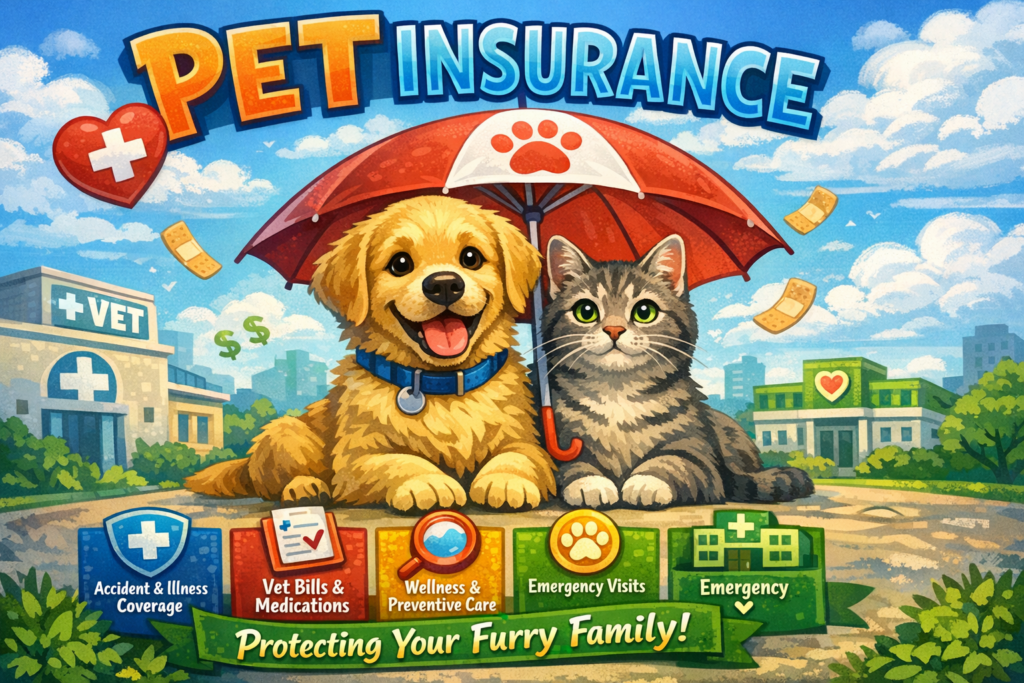
Pet health depends on many factors, including genetics, lifestyle, and access to veterinary care. Some cat breeds face unique risks, while dogs often require more expensive insurance due to higher medical needs. Understanding these differences creates a foundation for exploring breed-specific health issues, comparing insurance costs, and recognizing the value of coverage in feline care.

  • Different Types Of Cat Insurance

    Caring for your feline friend often means thinking ahead and preparing for the unexpected. Cat insurance can help protect you from the financial burden of sudden illness or injury. With so many options available, understanding the different types of cat insurance is important for every pet owner. By learning the basics and comparing plans, you can make sure your cat receives the best possible care. The right insurance can bring peace of mind and keep your pet healthy for years to come.

    Understanding the Basics of Cat Insurance Coverage

    Cat insurance works much like health insurance for people. You pay a monthly or yearly premium and, in return, your pet gets coverage for certain medical expenses. Most plans have a deductible, which is the amount you pay before your insurance starts paying. After the deductible is met, insurance will reimburse you for a percentage of the vet bills, usually ranging from 70 to 90 percent. Coverage often includes treatments for accidents, illnesses, and sometimes routine care like vaccinations.

    There are several types of cat insurance policies to choose from. Some focus only on emergencies, while others cover a broad range of health issues. When you sign up, you will usually need to provide your cat’s medical history. Insurers may refuse to cover pre-existing conditions, so it is wise to insure your cat while they are young and healthy. Reading the policy details will help you know exactly what is included and excluded.

    Many pet owners find insurance helpful because it makes budgeting for care easier. Instead of worrying about large, unexpected vet bills, you can pay a set amount each month. Different plans can fit any budget or need, so you do not have to compromise your cat’s wellbeing. Make sure to review your options regularly as your cat ages or if their health needs change. Being prepared will make a big difference when your pet needs help most.

    Comparing Accident Only and Comprehensive Plans

    Accident-only plans are the most basic type of cat insurance. They cover injuries and emergencies like broken bones, cuts, or being hit by a car. These plans do not pay for illnesses or routine health care, but they are often more affordable. For owners on a tight budget, accident-only plans offer some protection without a high monthly cost. If your cat is young and healthy, you might find this type of insurance is enough for now.

    Comprehensive plans offer broader coverage and include both accidents and illnesses. With a comprehensive plan, you can get help paying for things like infections, cancer, digestive issues, and hereditary conditions. Some plans even cover routine care such as annual checkups, vaccinations, and flea treatments. These plans cost more than accident-only insurance, but they bring greater peace of mind. A comprehensive plan is a good choice if your cat has a higher risk of illness or if you want to be prepared for anything.

    Choosing between accident-only and comprehensive plans depends on your needs and budget. Accident-only insurance is better for those who want basic protection, while comprehensive plans are ideal for full coverage. Always read the fine print so you know what is included in the plan you choose. Some plans may have limits on certain treatments or higher deductibles. Comparing several plans side by side can help you make the best decision for your cat.

    Choosing the Right Cat Insurance for Your Pet

    Selecting the right cat insurance involves careful thought and research. Start by considering your cat’s age, breed, and any known health risks. Some breeds are more likely to have certain medical issues, so you may want a plan that covers these problems. Younger cats are usually cheaper to insure, and starting early can prevent issues with pre-existing conditions. Talk to your veterinarian about your cat’s health to help guide your choice.

    Next, think about your budget and how much you are willing to pay for premiums and deductibles. While accident-only plans cost less, they might not cover long-term illnesses. Comprehensive insurance is more expensive but offers better protection over your cat’s lifetime. Take time to compare what each plan covers and what it leaves out. Always check for any extra benefits, such as dental care or alternative therapies, which some insurers offer.

    Finally, look at the company’s reputation and how easy it is to file a claim. Read customer reviews and ask friends or family for recommendations. Some insurers make it simple to get reimbursed, while others have more complicated processes. You want an insurance provider that is reliable and supportive when your cat needs help the most. Choosing wisely will help you protect your pet and avoid stress in the future.

    Cat insurance offers a safety net for pet owners who want to give their cats the best care possible. By understanding the basics of coverage and the differences between accident-only and comprehensive plans, you can make an informed decision. Each cat is unique, and so are their health needs. Remember to consider your cat’s age, breed, and possible health risks when selecting a plan. Budgeting for insurance can prevent financial stress if your cat faces an unexpected health issue. Take time to read policy details and compare options before making your choice. Good insurance means you can focus on your cat’s recovery, not the cost of care. 


  • Cat Breeds Prone to More Health Issues Than Others

    Cat lovers often want to know which breeds are healthiest before bringing a new feline friend home. Some cat breeds are more likely to develop health problems due to their genetics or unique physical traits. Understanding these risks can help you make the best choice for your family and prepare for any special care your cat might need. With so many adorable breeds to choose from, it is essential to consider not only appearance but also long-term well-being. Being aware of common health issues in certain breeds can help you provide the best care possible for your pet. Learning about these challenges allows you to recognize symptoms early and seek treatment when needed. Informed owners can often help their cats lead longer and happier lives. Below, you will learn about some popular cat breeds that tend to have more health concerns than others.

    Understanding Why Some Cat Breeds Have More Health Problems

    Cat breeds that are more prone to health issues usually have specific genetic backgrounds. Over generations, selective breeding has emphasized desirable traits like a flat face, large size, or unique fur. However, the same genetics that make these cats special can sometimes lead to medical problems. For example, a particular body shape or coat type might cause unexpected health complications. These inherited traits can also affect how a breed deals with common illnesses.

    Some breeds are more likely to have certain inherited diseases due to limited genetic diversity. Breeders sometimes use a narrow gene pool to keep specific features consistent. As a result, some breeds may pass down harmful genes more often than mixed-breed cats. Responsible breeders work to reduce health risks, but some problems are complex to avoid entirely. Owners should always research a breed’s history and common medical concerns before choosing a new pet.

    Lifestyle and environment play important roles as well. While some breeds have natural resistance to illness, others may struggle if they do not receive proper care. Regular vet checkups, a balanced diet, and a healthy home environment can make a big difference. Even breeds that are more prone to health issues can lead happy lives with the proper attention and care. Knowing about breed-specific risks allows owners to watch for early signs and act before health problems become severe.

    Persian Cats and Their Common Health Complications

    Persian cats are famous for their beautiful, long fur and gentle personalities. Many families love their sweet nature, but Persians often face health challenges. One of the most common problems is called brachycephalic airway syndrome. Their flat faces can make it hard for them to breathe, especially in hot or stressful situations. Some Persians may snore loudly or have trouble eating because of their facial structure.

    Eye problems are also frequent in Persian cats. Their large, round eyes are prone to infections, excessive tearing, and even ulcers. Owners should clean their eyes regularly and watch for any changes in appearance or behavior. Dental issues may also develop due to the shape of their jaws and teeth. Regular dental care is very important for keeping Persians healthy and comfortable.

    Long, thick fur is another source of concern. Persians often struggle with hairballs and matting if their owners do not brush their coats daily. Skin conditions like fungal infections or parasites can also hide under their dense fur. Frequent grooming and regular vet visits help prevent these issues. With careful attention, Persian cats can enjoy a good quality of life despite their health risks.

    Siamese Cats: Unique Genetic Challenges They Face

    Siamese cats have a distinctive look, with slender bodies and striking blue eyes. Their vocal personalities and affectionate nature make them a favorite among cat lovers. However, Siamese cats can inherit several health problems. One of the most well-known is progressive retinal atrophy, which can lead to blindness as the cat ages. Early detection and supportive care are crucial for managing vision loss.

    Respiratory issues are also common in Siamese cats. Their narrow heads and elongated faces sometimes create breathing difficulties or sinus problems. Owners might notice that their Siamese cat sneezes often or has a runny nose. Regular checkups and prompt treatment can help keep these problems under control. Some Siamese cats may also be more sensitive to anesthesia, so it is essential to let your vet know about their breed.

    Behavioral and neurological issues sometimes affect Siamese cats, too. They are more likely than other breeds to develop compulsive behaviors, such as overgrooming or wool sucking. Vets link these actions to stress, boredom, or genetic factors. Providing plenty of stimulation and companionship can help reduce unwanted habits. Being aware of these unique needs helps ensure that Siamese cats remain healthy and content.

    Maine Coons: Large Size and Associated Medical Risks

    Maine Coons are among the largest domesticated cat breeds, known for their friendly and playful personalities. Their impressive size and shaggy coats make them stand out in any home. Unfortunately, their big build comes with some health risks. One of the most serious concerns is hypertrophic cardiomyopathy, a heart disease that is more common in Maine Coons than in many other breeds. Regular heart screenings are essential for early detection and treatment.

    Joint problems can also affect Maine Coons. Their large frames put extra stress on bones and joints, sometimes leading to hip dysplasia or arthritis as they age. Owners might notice limping, stiffness, or reluctance to jump. Early intervention and weight management can help reduce discomfort and maintain mobility. Special diets and supplements may also support joint health over time.

    Maine Coons are also at risk for certain genetic conditions, such as spinal muscular atrophy. This disease affects muscle strength and coordination, sometimes starting at a young age. Responsible breeders screen for these conditions, but owners should stay alert for signs of weakness or changes in movement. With regular care and monitoring, Maine Coons can live long and active lives.

    Sphynx Cats and Their Susceptibility to Skin Issues

    Sphynx cats are well known for their hairless appearance and affectionate nature. Without fur, their skin is exposed and more vulnerable to specific health concerns. One of the most common issues is skin infections, which can develop if the owner does not bathe the cat regularly. Oil and dirt build up on their skin much faster than on a typical cat. Weekly bathing and gentle skin care are essential for keeping Sphynx cats comfortable.

    Temperature regulation is another challenge for Sphynx cats. Without a protective fur coat, they can easily become too cold or overheat. Owners need to provide warm spots in winter and shade during hot weather. Sunburn is also a risk, so Sphynx cats should avoid direct sunlight. Special cat clothing and sunscreen can help protect their sensitive skin.

    Sphynx cats may also face dental and heart issues similar to those of other breeds. Regular vet visits and dental cleanings are essential for preventing problems. Although they require more hands-on care, Sphynx cats can form strong bonds with their owners. Proper grooming and a safe environment help them thrive despite their unique health challenges.

    Making Informed Choices When Selecting a Cat Breed

    Choosing the right cat breed involves more than just picking the cutest kitten. Research into health risks and common challenges for each breed is essential. Some people may prefer mixed-breed cats, which often have fewer genetic health issues due to greater diversity. Others may choose a purebred cat for their personality or appearance, but they should be ready for extra care and possible medical expenses. Talking to veterinarians and reputable breeders can give you a better understanding of a breed’s needs.

    Prospective owners should consider their ability to provide the exceptional care required by specific breeds. This attention can include frequent grooming, regular health screenings, or a particular diet. Some breeds need more attention to hygiene, such as Persians and Sphynx cats, while others may require exercise and mental stimulation, like Siamese or Maine Coons. Matching a cat’s needs with your lifestyle helps ensure a happy and healthy relationship.

    Planning for veterinary care is also essential. Regular checkups, vaccinations, and preventive treatments can catch problems before they become serious. Pet insurance might be a good option for breeds with known health risks. Adopting a cat is a long-term commitment, so thinking ahead helps avoid surprises. Responsible ownership includes both love and a willingness to meet a cat’s medical needs.

    Summary

    Bringing home a new cat is an exciting and rewarding experience, but it comes with significant responsibilities. Cat breeds with striking looks or charming personalities may sometimes need extra attention due to health challenges. Understanding the common medical issues faced by popular breeds like Persians, Siamese, Maine Coons, and Sphynx cats helps you prepare for the journey ahead. Proactive care, regular veterinary visits, and thoughtful grooming go a long way in managing many of these problems. Mixed-breed cats may present fewer health risks, but every cat deserves attentive care and love. Being informed about the unique needs of different breeds allows you to make the best choice for your family and your lifestyle. With knowledge and preparation, you can help your chosen companion enjoy a longer, happier, and healthier life. Remember that no breed is completely free from health issues, but owners can manage many challenges with dedication and prompt care. Supporting your cat’s health from the start builds a strong bond and ensures many joyful years together. By making informed decisions, you can give your cat the best possible start in their new home.


  • Understanding Why Dog Insurance Is More Expensive Than Cat Insurance

    Pet lovers often wonder why insuring a dog costs more than insuring a cat. Many people notice the price gap but are unsure about the root causes. Understanding the reasons behind the difference can help owners make informed choices. Several factors play a role in how insurance companies set these prices. Health risks, vet costs, and even the lifestyle of dogs and cats matter. Knowing these details makes it easier to understand your insurance policy. Examining these factors also helps you appreciate the value of good coverage. Let us explore the main reasons why dog insurance is usually pricier than cat insurance.

    The Price Difference Between Dog and Cat Insurance

    Pet insurance for dogs often comes with higher monthly premiums compared to pet insurance for cats. Most insurance companies base their pricing on the likelihood and cost of medical treatment. Since dogs typically face more health challenges and need more frequent vet visits, their insurance tends to cost more. Vets generally agree that cats are lower-risk pets, which often leads to cheaper coverage options for them. Insurance plans for dogs may also include extra services or wellness options, which raise the price further.

    Another reason for the price difference is the way dogs and cats interact with their environment. Dogs are usually more active and adventurous, so their risk of accidents is higher. They might chew dangerous objects, get into fights, or run into traffic during walks. Cats, on the other hand, are more likely to stay indoors and avoid hazardous situations. These activity levels directly influence the cost that insurance providers must cover.

    The price gap is also visible when comparing similar coverage options. Even basic accident and illness plans for dogs usually cost more than those for cats. Insurers see dogs as more expensive to treat over their lifetime. They take into account not just medical costs, but also claims history and statistics for each type of pet. This data-driven approach leads to higher monthly payments for dog owners.

    Common Health Risks and Vet Costs for Dogs

    Dogs face a wide variety of health issues that result in more frequent vet visits. Common problems include ear infections, allergies, and skin conditions. Larger breeds are prone to hip and joint troubles, while smaller dogs might have dental issues. These frequent medical needs mean insurers expect to pay out more in claims for dogs. As a result, insurance costs go up to cover these anticipated expenses.

    Vet bills for dogs are often higher than for cats, especially for surgeries and emergency care. Dogs may need treatment for injuries from accidents, which are less common in cats. Some breeds are also at risk for costly hereditary diseases, increasing the average claim amount. These higher costs are reflected in insurance prices, as providers try to balance risk and affordability.

    Routine care for dogs can also cost more than it does for cats. Vaccinations, preventatives, and wellness checks all add up over time. Dogs might also require more advanced diagnostics or specialist visits. Insurance companies consider these possibilities when setting prices for coverage. The added expenses make dog insurance a bigger investment for pet owners.

    Breed Size and Lifestyle Factors Affecting Dogs

    The size of a dog can have a significant impact on insurance premiums. Large dogs often need higher doses of medication, bigger surgical implants, and more potent anesthetics. These needs can quickly increase the cost of care. Insurers must account for these higher expenses when calculating policy prices for larger breeds.

    Lifestyle plays a significant role in insurance costs for dogs. Many dogs live active lives, going for walks, hikes, and playtime in parks. These activities come with risks like sprains, cuts, or exposure to parasites. Insurance companies take note of these hazards and charge accordingly. Even small dogs in busy neighborhoods face greater risks than indoor cats.

    Breed-specific factors also influence premium prices. Some breeds are genetically predisposed to certain illnesses or conditions. For example, Bulldogs often face respiratory problems, while Dachshunds are more likely to suffer from back problems. Insurance providers analyze breed data when setting rates. Owners of high-risk breeds usually pay more for coverage to offset the potential costs.

    How Insurance Providers Calculate Pet Premiums

    Insurance companies use a range of data to determine pet insurance prices. They look at common conditions by breed, size, and species. Historical claim data shows that dogs make more frequent and more expensive claims than cats. Providers use this information to estimate the risk of each pet and set monthly premiums.

    Age also plays a significant role in calculating premiums. Puppies might cost more to insure because they are curious and often get into trouble. Older dogs may develop chronic conditions needing long-term care. Cats, especially indoor ones, tend to have fewer health surprises and live longer lives in good health—these factors lower risk for insurers, resulting in lower premiums for cats.

    Location can influence costs as well. In cities, vet care for dogs often costs more than in rural areas. Insurance companies factor in regional costs when setting prices. All these considerations help providers predict future payouts and ensure they can cover claims. The result is a price structure that reflects real-world risks and expenses.

    Conclusion

    Pet insurance is a crucial safety net for both dog and cat owners. Understanding why dog insurance costs more helps you make sense of your coverage choices. Dogs tend to face higher health risks, frequent accidents, and more expensive treatments. Their active lifestyles and breed-specific issues add to the cost. Insurance providers must consider these risks when setting premium prices. Data from past claims and veterinary expenses also play a significant role. These factors come together to make dog insurance more expensive than cat insurance. As a pet owner, understanding how carriers determine their prices can help you find the right plan. With the correct information, you can better protect your furry friend and manage unexpected vet bills. Ultimately, the peace of mind that insurance provides is priceless, even if it costs a little more for your loyal dog.